






Peptides are an emerging area of animal research. We explain what’s actually been studied, in which species, and what’s still unknown before we ever talk about a product.
Every peptide listed here is documented the same transparent way — what was studied, in which species, and what the research does and doesn’t yet show. Browse the compounds currently at the center of animal research.
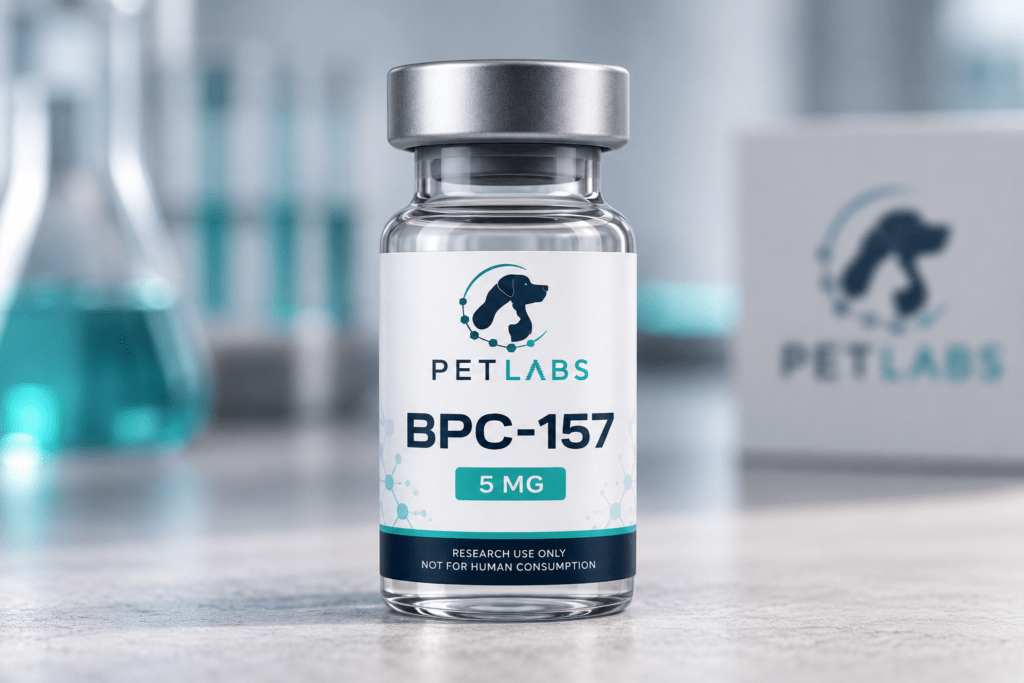
A synthetic peptide fragment studied largely in gastrointestinal and tissue related animal research.
Explore Peptides
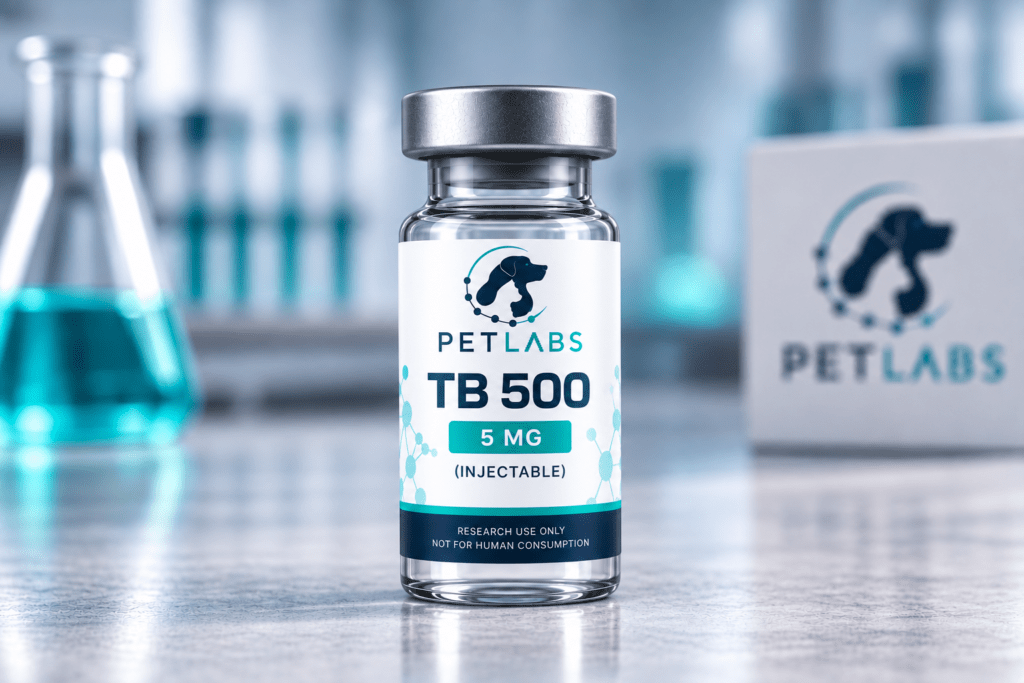
Studied in relation to tissue-focused animal research; part of the Wolverine Stack pairing.
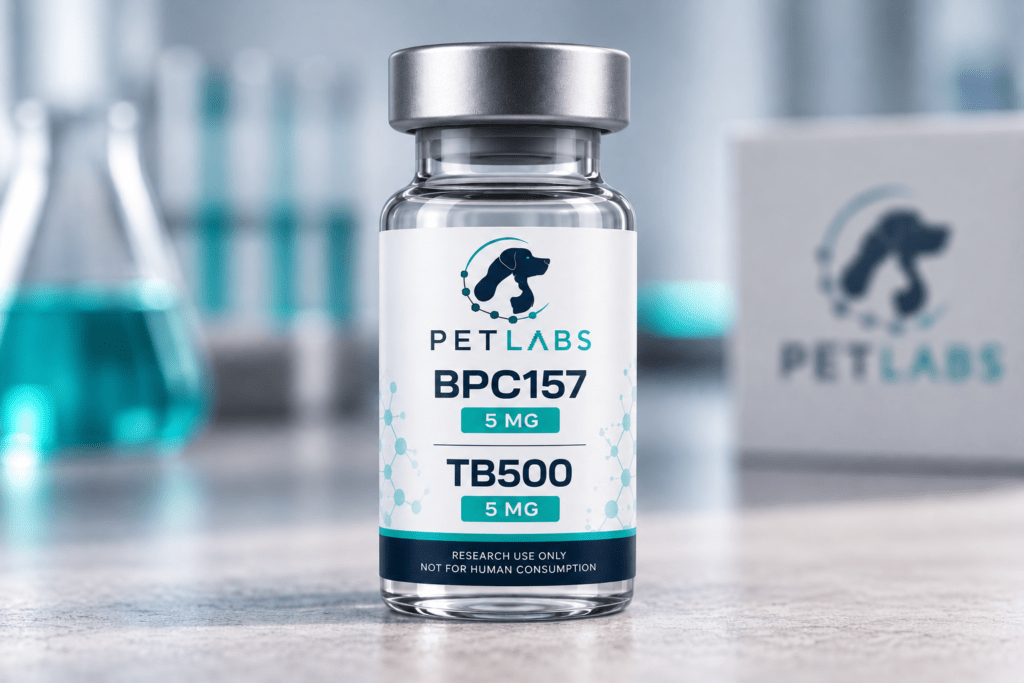
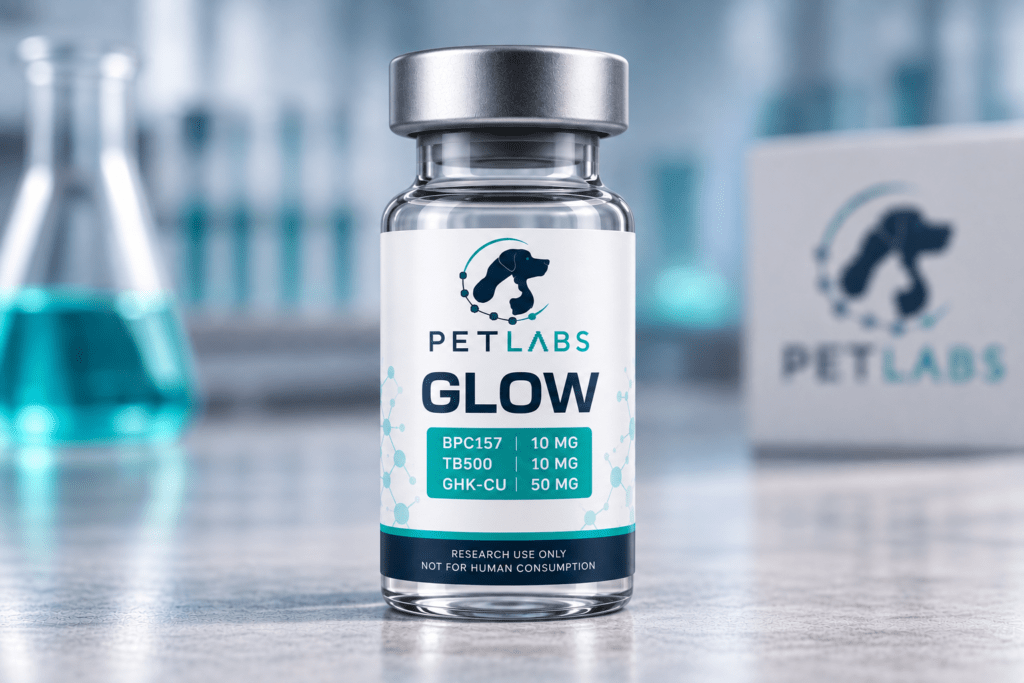
A combination pairing of BPC-157 and TB-500 discussed together in early research contexts.
A shorter peptide sequence appearing in early-stage research discussions.
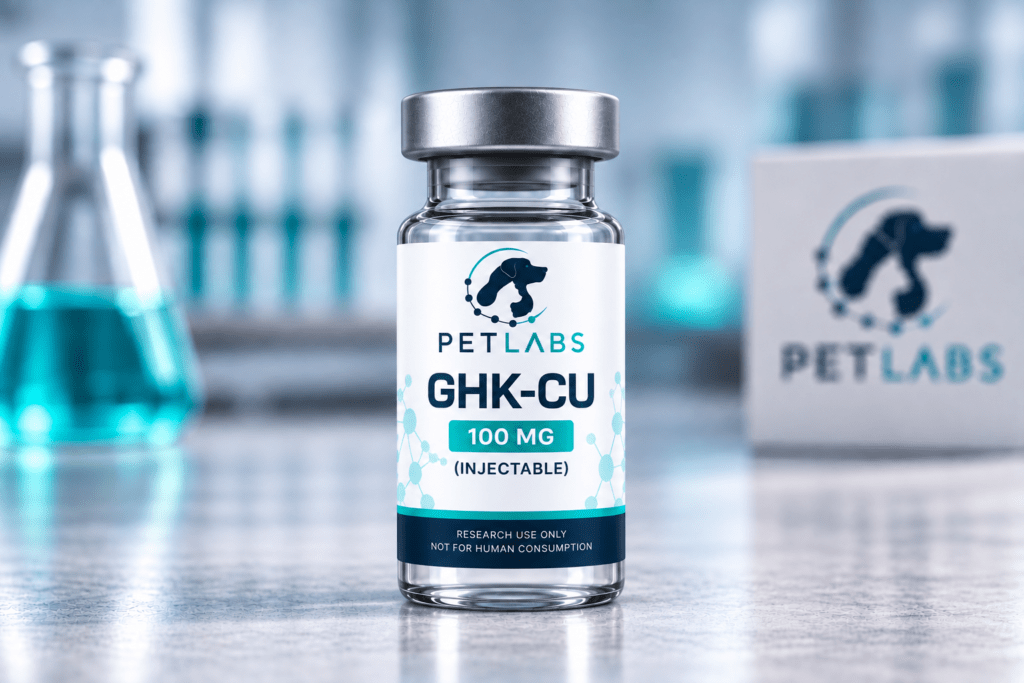
A copper-binding peptide studied across a range of research contexts.
An early research topic requiring further confirmation before deeper claims are made.
Every peptide listed here is documented the same transparent way — what was studied, in which species, and what the research does and doesn’t yet show. Browse the compounds currently at the center of animal research.
We believe that rigorous scientific inquiry should not be confined to inaccessible journals. Our commitment lies in transparently documenting peptide efficacy in animal models, providing clear, actionable data for professionals and informed caregivers alike.
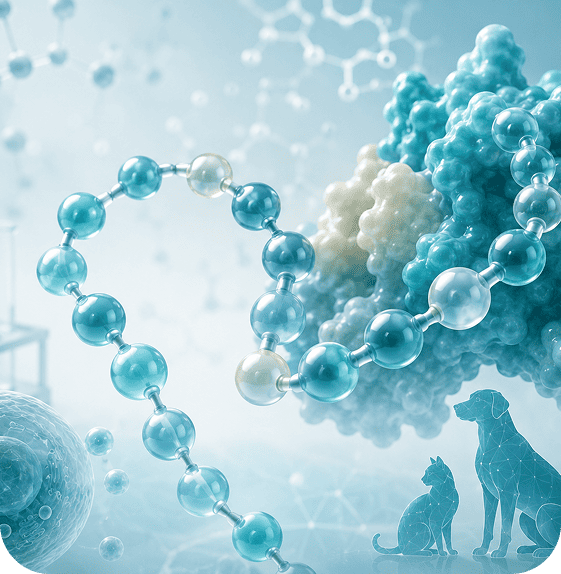
In the simplest terms: peptides are short chains of amino acids the same building blocks that make up proteins, just shorter. Think of them like short words made from the same letters that spell out a much longer sentence (a protein).
Researchers study different peptide sequences to understand how they may interact with biological processes in animals. That research is early, specific, and often narrow which is exactly why we walk through it one peptide at a time.
Every peptide page walks through research the same transparent way so you always know exactly where information comes from.
The specific peptide, dose, and study design researchers investigated.
The species and model used this matters more than most summaries admit.
A direct link to the original source, every time.
Short, animated explainers turn dense research into something a pet owner can actually watch and understand in under a minute built to live natively on social platforms and inside every research page.

We only reference research conducted in relevant animal models, not human only studies dressed up for pets.

Every research page starts in everyday language before it goes deeper into methodology and findings.

We separate what's been observed in studies from what remains unknown no filled-in gaps.

No treatment claims. No "cures." Just what was studied, and where to read it yourself.

Peptides are short chains of amino acids that act as signaling molecules in biological systems. They can influence specific cellular processes and are widely studied in areas such as cell signaling, tissue research, metabolism, and other biological functions.
Research involving peptides can vary depending on the specific peptide. Some peptides have been investigated in animal models, including dogs and cats, while others may have limited or no species-specific research. Always review the available scientific literature for the specific compound.
These products are intended for research purposes only and are not intended to diagnose, treat, cure, or prevent any disease or medical condition. Research findings should not be interpreted as evidence of clinical effectiveness in humans or animals.
A peptide is a molecule made up of two or more amino acids linked together. Depending on its structure, a peptide may interact with specific biological pathways, making peptides valuable subjects for laboratory and scientific research.
Peptides are naturally occurring or synthetically produced chains of amino acids. Researchers study them to better understand cellular communication, biological signaling, and other physiological processes.
The properties and biological activity of a peptide depend on its amino-acid sequence and structure. Different peptides are therefore studied for different research applications, and their effects should be evaluated through appropriate laboratory research rather than assumed from their intended use.
There’s no pressure here just research, explained clearly, at your pace.